


Workplace Culture in Hybrid Teams Doesn't Happen by Accident
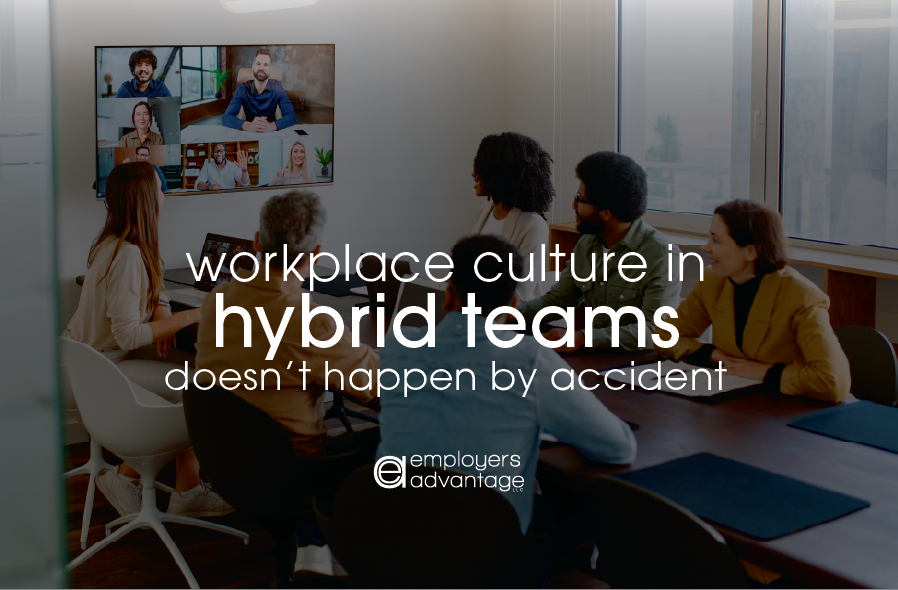
Building workplace culture in hybrid teams looks very different than it did just a few years ago. When employees worked side by side every day, relationships often formed naturally through conversations in the hallway, celebrating birthdays in the break room, or solving problems together over a cup of coffee. Those everyday moments-built trust and connection without anyone having to think much about it.
Today, many small businesses look very different. Teams may be fully remote, split between home and the office, or spread across multiple cities and states. While flexible work has created many benefits, it has also changed how workplace culture develops. One thing has become clear: connection doesn't happen as automatically as it once did.
Remote and hybrid work didn't eliminate company culture. They simply require leaders to be much more intentional about creating it.
The impact isn't always obvious right away. Over time, it often shows up in subtle ways. A new employee still doesn't feel like part of the team after several months. Communication takes longer than it used to. Collaboration begins to feel transactional instead of natural. Employees quietly disengage because they don't feel connected to the people around them.
We've worked with many small business leaders who were surprised to see turnover increase even though compensation remained competitive, and the work itself hadn't changed. Often, the issue wasn't pay…it was connection. People want to feel valued, included, and like they truly belong.
Intentional Doesn't Have to Mean Forced
When leaders recognize that connection is slipping, it's tempting to schedule more virtual happy hours or team-building games. While those activities certainly have their place, they aren't always what creates meaningful relationships.
Instead, think about creating opportunities for connection as part of the work itself.
That might look like:
Bringing employees together to collaborate on meaningful projects rather than adding another meeting to the calendar.
Making regular one-on-one conversations a priority, especially for remote employees who miss out on casual office interactions.
Creating space for employees to share ideas, celebrate wins, and solve challenges together.
Acknowledging that hybrid work changes how relationships are built and having open conversations about what your team needs to stay connected.
The strongest workplace cultures are rarely built through one big event. They're built through hundreds of small, consistent moments that make employees feel seen, heard, and supported.
Workplace Culture Is Built Through Everyday Leadership
Workplace culture isn't created by a mission statement hanging on the wall or a list of company values in an employee handbook. It's shaped by the experience’s employees have every single day.
It's reflected in who receives recognition, how managers communicate, whether employees feel comfortable sharing ideas, and whether remote team members have the same opportunities to contribute and be seen as those working in the office.
The good news is that building a strong workplace culture doesn't require a large budget or a dedicated culture committee. It requires consistency.
That consistency might mean checking in with every employee the same way regardless of where they work. It might mean recognizing team members regularly, creating an intentional onboarding experience for remote hires, or making sure important conversations happen consistently instead of only when problems arise.
“Small actions, repeated over time, create the culture employees experience every day.”
Why an HR Business Partner Can Make the Difference
Many business owners hear the term HR Business Partner but aren't always sure what it means.
An HR Business Partner is much more than someone who handles paperwork or keeps your business compliant. They work alongside leadership to solve business challenges through people. That means helping strengthen workplace culture, coaching managers, improving communication, supporting employee engagement, building onboarding programs, and creating practical strategies that help teams succeed.
At Employers Advantage LLC, our HR Business Partners work alongside clients to understand what their teams need. Sometimes that means strengthening onboarding for remote employees. Sometimes it's coaching managers on leading hybrid teams more effectively. Other times, its helping leadership identify what's changed and intentionally create the kind of workplace they want to build moving forward.
Every organization is different, and there isn't a one-size-fits-all approach to workplace culture. What works for one team may not work for another. That's why understanding your people is just as important as understanding your policies.
Hybrid work is here to stay, and it offers tremendous opportunities for both employers and employees. With a little intention, consistency, and the right support, businesses can build strong, connected teams regardless of where their employees log in each day.
If you're looking to strengthen workplace culture in hybrid teams, the HR Business Partners at Employers Advantage LLC are here to help. Together, we can build a workplace where employees feel connected, supported, and ready to do their best work. Here are our most frequently asked questions that might assist you:
What is workplace culture in hybrid teams?
Workplace culture in hybrid teams is the shared experience, communication, values, and relationships employees develop whether they work remotely, in the office, or both. Strong workplace culture requires intentional leadership and consistent communication.
How do you build workplace culture in hybrid teams?
Building workplace culture in hybrid teams starts with clear communication, consistent leadership, meaningful employee recognition, strong onboarding, and opportunities for collaboration regardless of where employees work.
Why do remote employees sometimes feel disconnected?
Remote employees can feel disconnected when communication becomes transactional, opportunities for collaboration decrease, or they have fewer informal interactions with coworkers and leaders.
What does an HR Business Partner do?
An HR Business Partner works alongside business leaders to improve workplace culture, strengthen employee engagement, coach managers, support compliance, and develop people strategies that help businesses grow.
How can Employers Advantage LLC help strengthen workplace culture? Employers Advantage LLC partners with small businesses to improve communication, leadership development, employee engagement, onboarding, and workplace culture through strategic HR Business Partner support.


